




In the world of equine sports, the excitement and thrill of horse racing often take center stage. However, the importance of safety for both the horses and their jockeys cannot be overstated. The phrase «Safe Horse Racing Not On» is a urgent reminder of the responsibility we hold in ensuring the well-being of these magnificent creatures and their riders. For insights into safe practices, visit Safe Horse Racing Not On Gamstop www.porphyrios.co.uk.
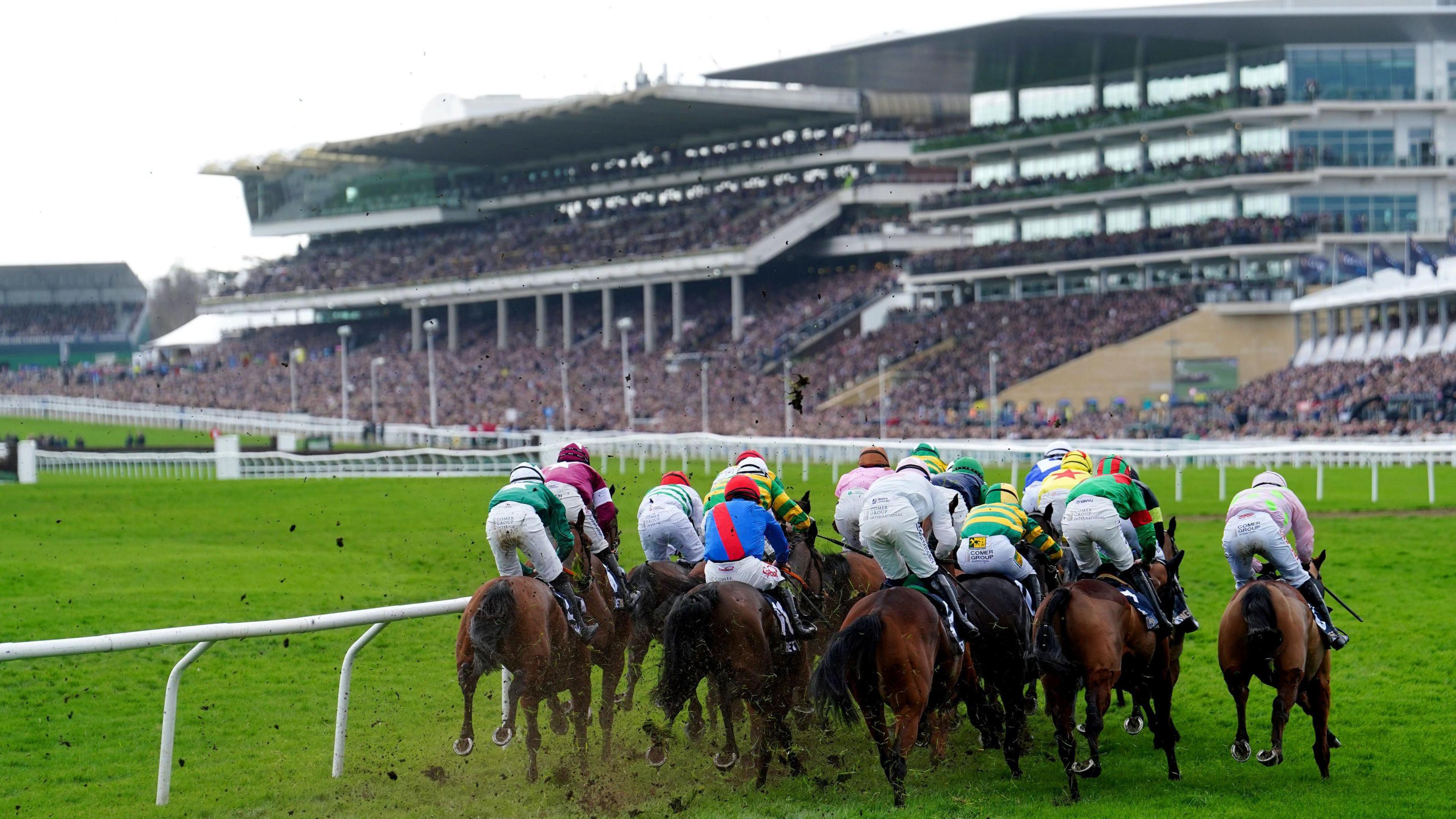
Understanding Safe Horse Racing Practices
Horse racing is characterized by high stakes, fierce competition, and sometimes, unfortunate accidents. Safety measures in the racing industry are not merely suggestions; they are essential protocols that must be followed to ensure the health and well-being of both the horses and jockeys involved. In this article, we will explore the critical elements of safe horse racing practices, the associated risks, and the strategies employed to mitigate these risks.
The Risks Involved in Horse Racing
Horse racing, while exhilarating, poses inherent risks. The speed at which horses race can lead to accidents and injuries if proper safety protocols are not in place. Some common risks include:

- Injuries to Horses: Horses can suffer from fractures, strains, and other injuries due to the high speeds and strenuous activities involved in racing.
- Injuries to Jockeys: Jockeys, while trained to handle their mounts, can also face serious injuries from falls or collisions during a race.
- Equipment Malfunctions: Poorly maintained racing gear or faulty starting gates can lead to dangerous situations for both horses and riders.
- Environmental Factors: Weather conditions can significantly impact the safety of a race, with slippery tracks or extreme temperatures posing threats.
Implementing Safety Measures
To combat these risks, various measures are implemented across racing venues worldwide. Some of the most effective safety protocols include:
- Thorough Vet Checks: Before a race, horses undergo comprehensive veterinary examinations to ensure they are fit to compete.
- Track Maintenance: Regular maintenance of the racing track is crucial in providing a safe racing surface. Tracks are inspected for any hazards, and appropriate drainage systems are installed to prevent water accumulation.
- Jockey Training Programs: Ongoing training for jockeys helps improve their skills and techniques in managing their horses during races, minimizing the risk of falls.
- Use of Technology: Advanced technologies, such as tracking systems and drones, are being employed to monitor races and quickly respond to any incidents.
The Role of Racing Authorities
National and international racing authorities play a pivotal role in ensuring a standard of safety across the industry. They establish guidelines and regulations that must be followed by all participants. Regulatory bodies implement protocols such as:
- Licensing Requirements: Jockeys, trainers, and operators are required to be licensed, ensuring they adhere to defined safety protocols and ethical practices.
- Race Day Inspections: Thorough inspections on race day to check equipment, track conditions, and horses can prevent potential accidents.
- Incident Reports: Detailed reports of any accidents or injuries are mandatory and are used to improve future processes and rules.
The Human Element: Responsibility of Owners and Trainers
While racing authorities enforce safety protocols, the responsibility does not solely rest on them. Owners and trainers must ensure that their horses are given the best possible care. This includes:
- Health Monitoring: Keeping meticulous records of a horse’s health and adjusting training regimes to prevent injuries.
- Nutritional Needs: Ensuring that horses are provided with the right diet to maintain their health and performance.
- Stress Management: Understanding the psychological needs of racing horses to minimize stress during training and racing.
Advancements in Horse Racing Safety
The horse racing industry is continuously evolving, and recent advancements in safety practices have shown promising results. Some notable developments include:
- Increased Use of Data: Analytics and data collection can highlight patterns associated with injuries, providing insights for prevention strategies.
- Innovative Gear: New materials and designs in racing gear, such as helmets and saddles, are being tested for better safety outcomes.
- Injuries Monitoring Systems: Utilizing technology to monitor horse health in real-time, making it possible to detect issues before they escalate.
The Importance of Public Awareness
Public awareness and education regarding safe horse racing practices are critical components of keeping the sport safe. Here are steps in which racing organizations can increase awareness:
- Educational Campaigns: Implementing campaigns that educate the public and participants about the importance of safety.
- Fan Engagement: Engaging fans in discussions about safety can foster a culture that prioritizes the well-being of horses and jockeys.
- Transparency: Being open about safety measures in place can enhance public trust in the sport.
Conclusion
As horse racing remains an admired and cherished sport, prioritizing safety must remain a constant effort among all stakeholders. Whether you are an owner, a trainer, a jockey, or simply a fan, understanding and advocating for safe horse racing practices is a collective responsibility. The phrase «Safe Horse Racing Not On» serves as a critical reminder of the importance of these practices. A unified ef
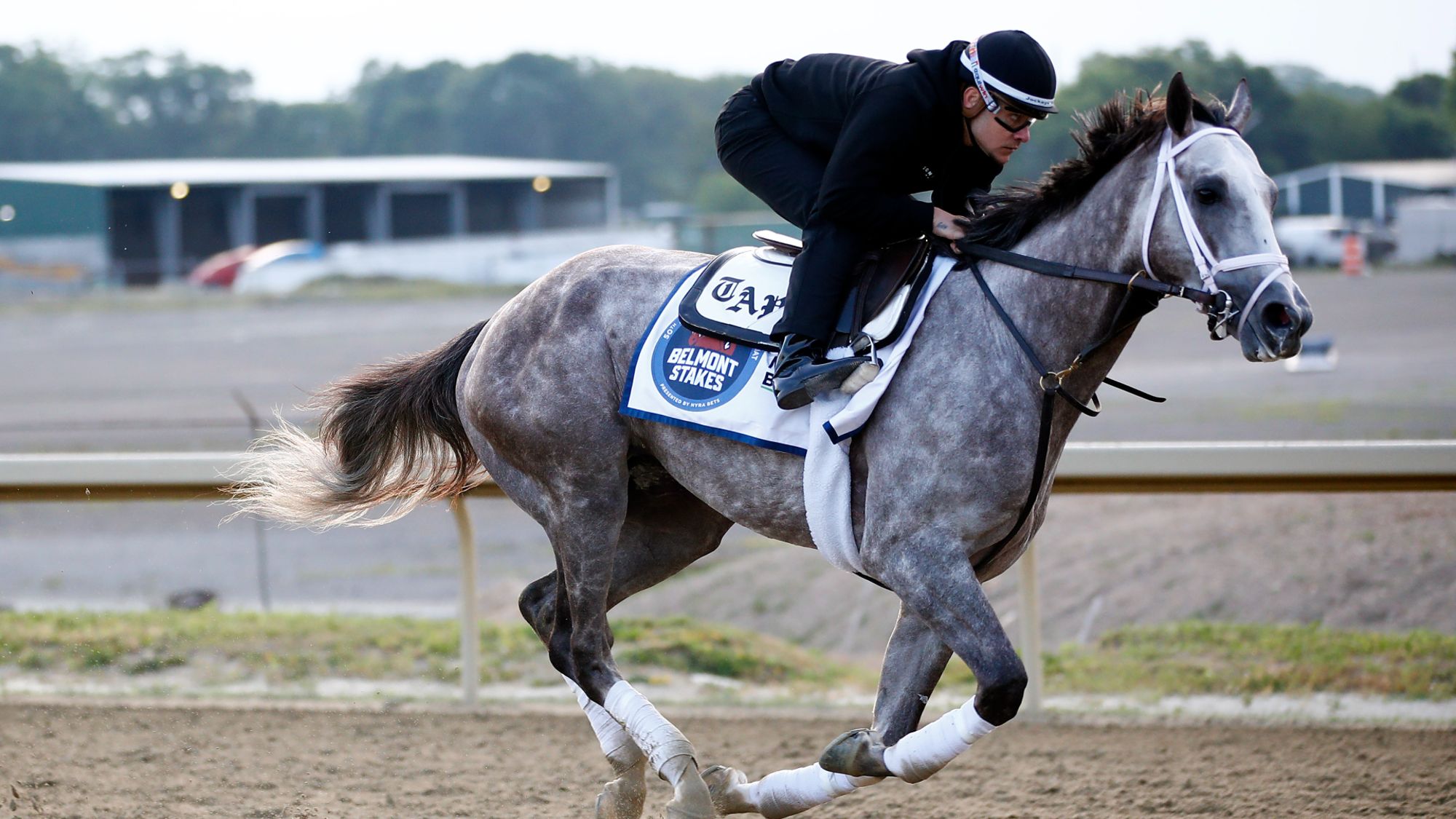
fort towards rigorous safety standards and a commitment to caring for these incredible animals can lead to a safer and more sustainable future for horse racing.